Buying a Home? Roof Problems a General Inspection May Miss
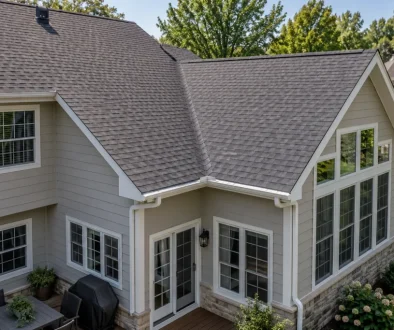
Buying a home means looking closely at everything from the kitchen to the foundation. The roof deserves that same attention, even if the shingles look intact and there are no visible ceiling stains. A general home inspection can flag roof concerns, but limited access, weather conditions, and concealed components can leave some problems undetected.
“Could the roof on your future home have damage that never appears in the general inspection report?“
Cracked pipe boots, hidden attic moisture, and poorly installed flashing may require closer evaluation. Understanding the limits of a general inspection can help you decide whether a roofing specialist should take another look before closing.
Key Takeaways
- General inspections may miss concealed damage.
- Dry ceilings cannot rule out leaks.
- Review roof records and inspection limitations.
- Specialist inspections can clarify unresolved concerns.
- Address roof problems before completing purchase.
What a General Home Inspection Can Tell You About the Roof
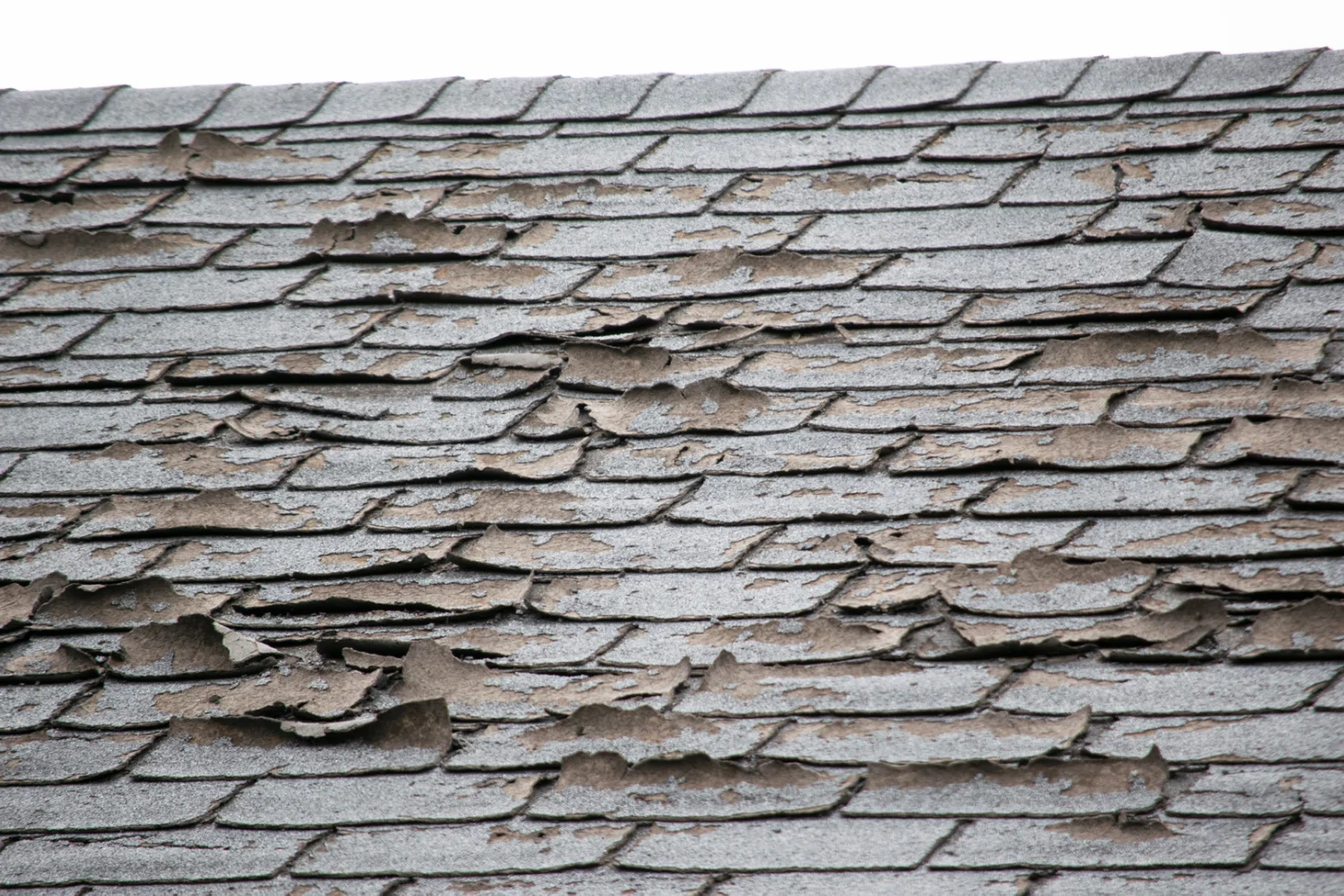
A general home inspection provides a visual assessment of accessible parts of the property. It can reveal meaningful roof defects, but it does not involve taking the roof apart to examine concealed materials.
The inspection may cover roof coverings, visible flashing, roof penetrations, drainage components, and accessible attic conditions. The exact scope depends on the inspection agreement and applicable requirements.
Read the report for both findings and limitations, including:
- Inspection method: Was the roof observed from the ground, a ladder, a drone, or by walking accessible surfaces?
- Restricted areas: Did snow, roof pitch, height, or limited access prevent a closer examination?
- Interior evidence: Were stains or damaged materials visible in accessible attic areas?
- Further evaluation: Did the inspector recommend a roofing contractor or another specialist?
A roof viewed from the ground has still been inspected, but small defects may be harder to assess from that distance.
Roof Problems That May Escape a General Inspection
Some roof components deteriorate independently of the surrounding shingles. Others remain partly concealed, making their condition difficult to establish during a visual inspection.
Deteriorated Pipe Boot Seals
Plumbing vent pipes pass through the roof and typically have flashing assemblies around their bases. Some assemblies include flexible seals that can crack or separate as they age.
A damaged seal can create a water entry point while nearby shingles still appear serviceable. Small splits may be difficult to see without a closer view.
Concealed Roof Flashing Defects
Flashing directs water away from roof intersections, chimneys, walls, and other vulnerable locations. Parts of these assemblies sit beneath shingles or behind siding.
Visible metal may appear acceptable even if concealed overlaps or connections are incorrect. A closer assessment can identify warning signs, although confirming hidden installation details may require authorized opening of materials.
Hidden Attic Moisture
Water-damaged decking or damp insulation may be outside the inspector’s view. Low clearance, stored belongings, and finished attic spaces can restrict access.
Moisture also does not automatically establish a roof leak. Condensation, plumbing leaks, and exhaust ducts discharging into the attic are other possible sources that deserve investigation.
Previous Roof Repair Problems
Patches and sealant applications show that someone addressed a concern, but they do not explain whether the underlying problem was corrected.
A repaired area may be performing properly. However, repeated patches around the same penetration or roof intersection justify asking for records and examining the repair more closely.
A Dry Ceiling Does Not Confirm a Leak-Free Roof
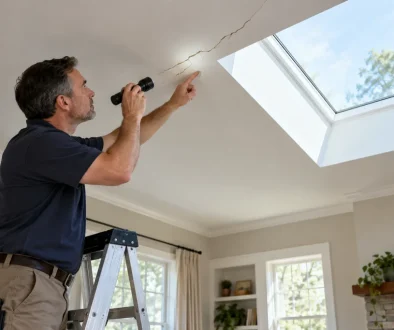
An unstained ceiling is reassuring, but it cannot establish the condition of every roofing component. Water may enter without immediately reaching a finished room.
Some leaks occur only during wind-driven rain or particular weather conditions. Water can also travel along framing before becoming visible, leaving the interior stain some distance from the entry point.
Consider these limitations during a showing:
- A dry inspection day may not reveal an intermittent leak.
- Insulation can conceal moisture or staining beneath it.
- Fresh paint may cover an old stain without indicating an active problem or deliberate concealment.
- A previously repaired leak may leave marks after the materials have dried.
The useful question is whether the available evidence supports a resolved problem or calls for further evaluation.
Roof Findings Worth a Closer Look Before Closing
Inspection findings become more useful when you connect them with a specific next step. The following observations warrant clarification without automatically pointing to roof replacement.
| Inspection Finding | What It May Indicate | Buyer’s Next Step |
|---|---|---|
| Roof sections were inaccessible | Those sections received a limited assessment | Ask whether another inspection method is practical |
| Stained attic decking | Previous or current moisture exposure | Request evaluation of the source and material condition |
| Multiple roof patches | A repair history that needs explanation | Obtain records and have the repairs assessed |
| Cracked pipe boot seals | A potential water entry point | Request a repair recommendation |
| Uneven or sagging roof areas | Possible decking or framing concerns | Seek roofing and, if indicated, structural evaluation |
Ask for photographs showing the location of each concern. This makes it easier to compare findings with repair estimates and confirm that everyone is discussing the same area.
Situations That Call for a Separate Roof Inspection
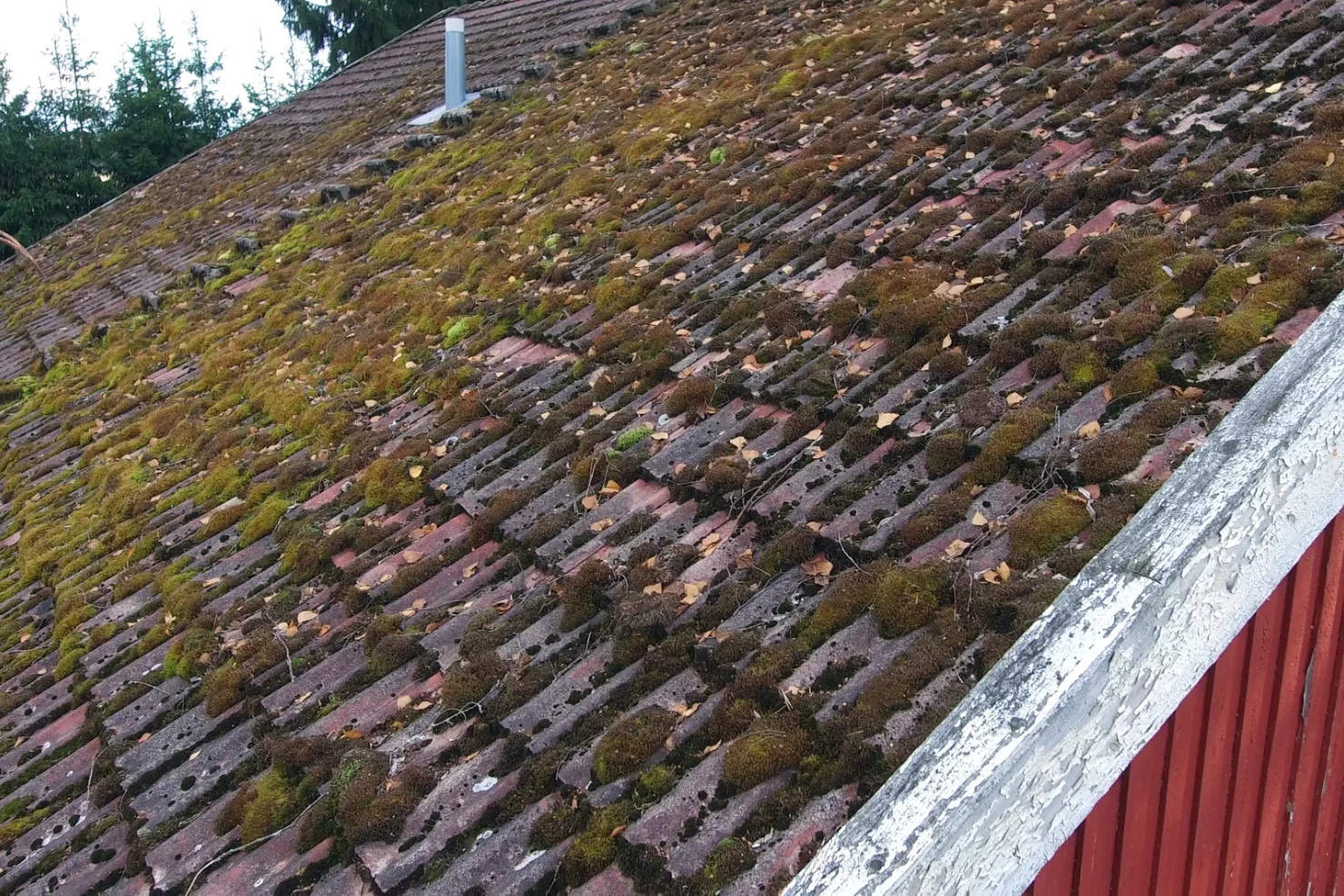
A separate roof inspection is most useful when it answers an unresolved question. The general inspection report, available records, and visible conditions can help determine whether that additional assessment is worthwhile.
Limited Roof Inspection Access
A steep roof or inaccessible attic can leave important areas unobserved. Ask the roofing contractor what additional access or inspection methods they can provide.
A specialist may face the same physical limitations. Clarify the expected scope before scheduling so you understand what the visit can establish.
Unclear Roof Installation History
A seller’s estimate of roof age is helpful, but an installation invoice provides stronger documentation. Missing records can make it difficult to confirm what was replaced and when.
For example, “new roof” might describe new shingles without replacement of all flashing or damaged decking. Request details about the actual work.
Unresolved Roof Warning Signs
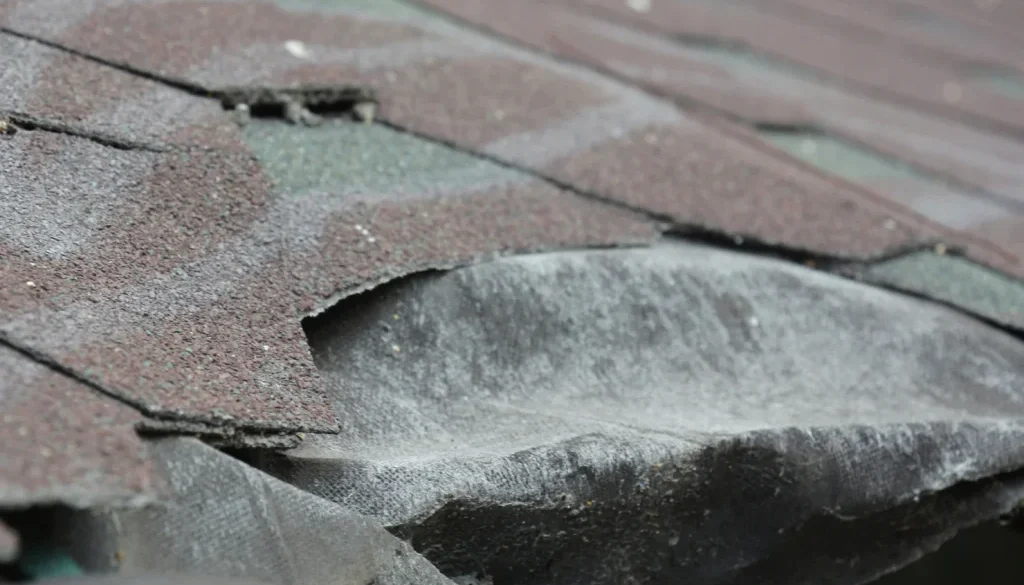
Missing shingles, deteriorated penetration seals, moisture staining, and repeated leak repairs deserve follow-up before closing.
A specialist can assess visible defects and explain likely repair options. Significant sagging or suspected framing damage may also require a structural professional.
Pro Tip: Ask the home inspector to identify roof and attic areas they could not observe. Share those limitations with the roofing contractor before the appointment.
Questions to Ask About the Roof Before You Buy
Roof records can help explain conditions that a visual inspection alone cannot resolve. Request them early enough to allow time for follow-up questions.
- When was the roof installed? Ask for invoices or other documentation supporting the date.
- What did the installation include? Confirm whether old roofing was removed and what flashing or decking work was performed.
- Have there been previous leaks? Ask where they occurred, what caused them, and how they were repaired.
- Are repair records available? Written descriptions help connect past work with current findings.
- Are permits available where required? Requirements depend on the location and scope of work.
- Can warranties transfer? Review the actual terms, including deadlines, fees, and exclusions.
Records support the inspection process, but they do not replace an assessment of current roof condition.
Address Roof Concerns Before Closing
Once a concern is identified, obtain enough detail to understand its scope and likely cost. A written recommendation is more useful than a verbal assurance that the roof “just needs maintenance.”
Request an estimate that identifies the affected area, proposed work, and any conditions that could change the price. Concealed decking damage, for example, may not be fully measurable until roofing materials are removed.
Discuss documented findings with your real estate professional while relevant contract deadlines remain open. Depending on the agreement, options may include requesting repairs, discussing a credit, or obtaining further evaluation.
If repairs are agreed upon, keep the written scope and completion records. Arrange appropriate verification before closing where practical. An inspection can reduce uncertainty, but it cannot guarantee future performance or reveal every concealed defect.