Emergency Roof Tarping: Protecting Your Home While Repairs Are Pending
A storm-damaged roof can leave your home exposed long after the rain stops. Missing shingles, fallen branches, or damaged roof decking can allow water to reach insulation, ceilings, and belongings while you wait for permanent repairs..
“What can you do to protect your home if roofing repairs cannot begin right away?“
Emergency roof tarping provides a temporary barrier over damaged areas to help limit further water intrusion. Understanding its purpose, limitations, and need for professional installation can help you protect your home while repairs are pending.
Key Takeaways
- Emergency roof tarping provides temporary protection.
- Professional installation helps reduce further leaks.
- Document storm damage and retain receipts.
- Report loose tarps or renewed leaks.
- Schedule permanent repairs without unnecessary delays.
Emergency Roof Tarping Provides Temporary Protection
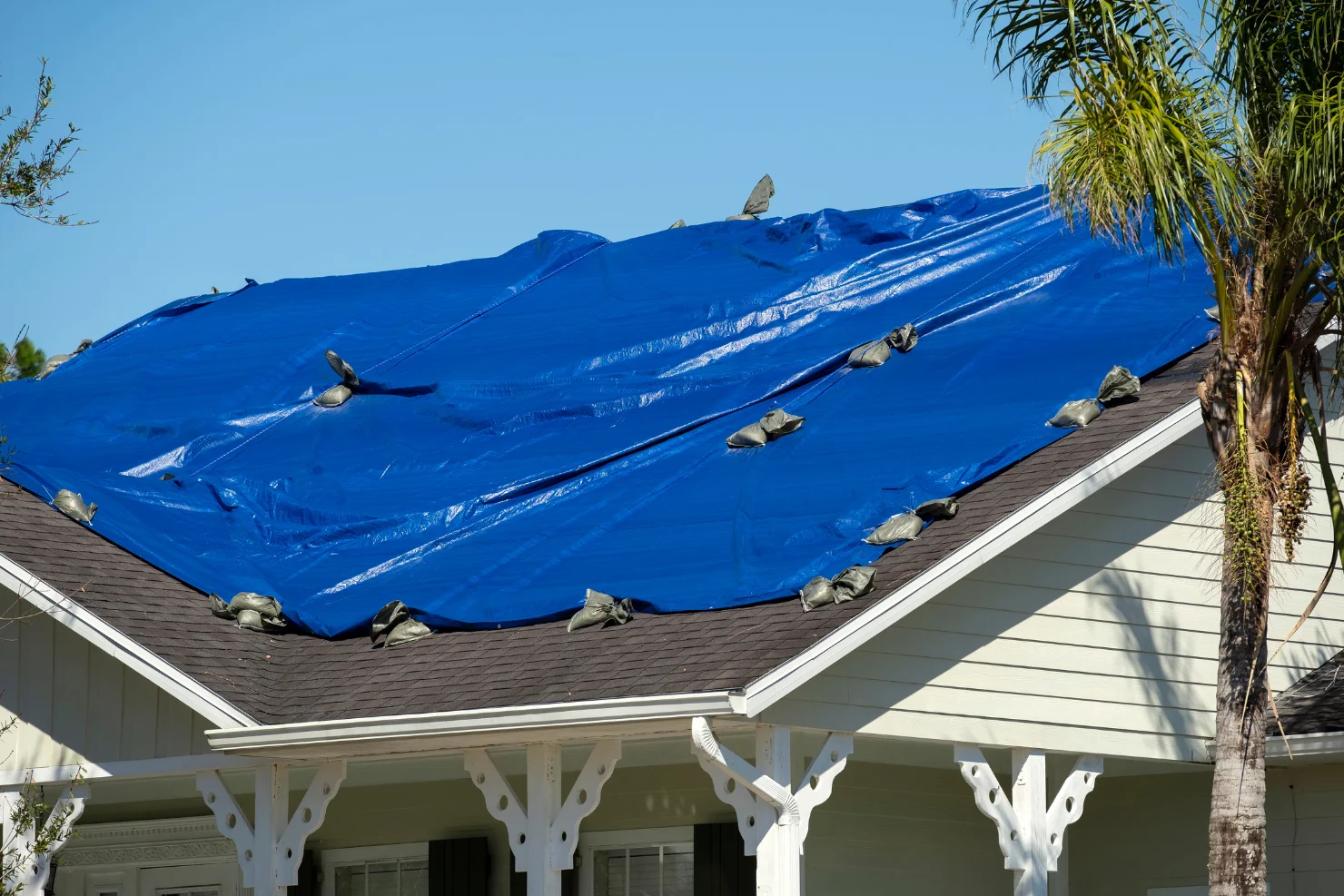
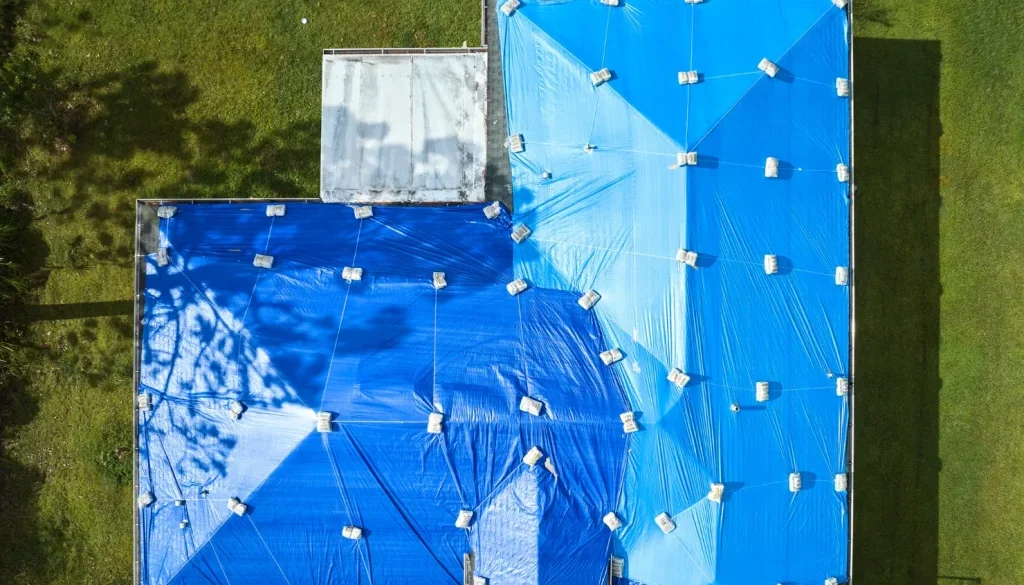
Emergency roof tarping involves placing and securing a weather-resistant covering over damaged roofing. Its purpose is to reduce additional rainwater entry until permanent repairs can be completed.
A tarp can help protect an exposed section after wind removes shingles or a branch punctures the roof. However, it cannot restore broken decking, strengthen damaged framing, or dry materials that are already wet. Temporary coverage is one step in stabilizing the property, followed by a damage assessment and a permanent repair plan.
Signs Your Roof May Need Emergency Tarping
Some storm damage is obvious from the ground. Other problems first appear indoors. A professional assessment helps determine whether tarping is appropriate and whether the roof can be accessed safely.
Missing Roofing Materials
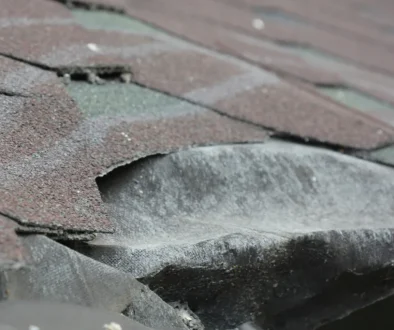
Shingles scattered across the yard or bare patches on the roof suggest that protective materials have been displaced. Underlayment may still be visible, but exposed underlayment should not be assumed to provide dependable protection indefinitely.
Loose flashing around chimneys, walls, or roof penetrations also deserves attention. These connections help direct water away from vulnerable joints.
Storm Debris Damage
A fallen branch can puncture roofing materials and damage the wood decking beneath them. A larger limb may also affect rafters or other structural components.
Avoid pulling branches out of the roof yourself. Removing an embedded object can enlarge the opening or disturb materials that are already unstable.
Indoor Water Intrusion
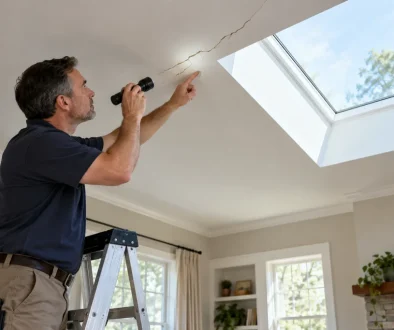
Fresh ceiling stains, dripping water, and damp attic insulation can indicate a roof leak. Water may travel along framing before becoming visible, so the stain may not sit directly beneath the roof opening.
A leak that stops after the rain ends still needs investigation. The damaged entry point remains exposed to the next storm.
Steps To Take Before Roofing Help Arrives
Your immediate priorities are personal safety and limiting damage where you can do so without entering hazardous areas. Leave roof access and temporary covering installation to qualified professionals.
- Stay clear of sagging ceilings. Bulging drywall may contain water and could collapse. Keep people and pets away from the affected room.
- Move belongings safely. Relocate furniture, electronics, and valuables away from dripping water if the area is safe to enter.
- Avoid electrical hazards. Keep away from wet outlets, fixtures, and equipment. Get professional help if water has reached electrical components.
- Photograph accessible damage. Take pictures from the ground and safe indoor locations. Do not climb onto the roof for documentation.
- Arrange emergency assessment. Describe active leaks, fallen branches, visible openings, and any signs of structural movement.
- Report a potential claim promptly. Ask your insurer about documentation and emergency repair procedures while arranging necessary protection.
Do not enter the attic if access requires crossing wet materials, approaching exposed wiring, or moving beneath damaged framing.
Professional Roof Tarping Starts With A Damage Assessment
Effective temporary protection depends on identifying both the damaged area and the surrounding roof condition. OSHA identifies falls, electrical hazards, and structural instability among the risks associated with storm roof inspection and repair. Occupational Safety and Health Administration
Check Roof Stability
Before accessing the damaged section, a roofing professional evaluates conditions such as roof pitch, loose materials, weakened decking, and nearby power lines. Active lightning, strong winds, or unsafe surfaces may delay installation.
If a tree has compromised the structure, the property may need additional assessment or stabilization before roof work can proceed.
Cover Damaged Areas
The covering must account for how water moves down the roof. Simply covering the visible hole may leave an entry point uphill or allow runoff beneath the tarp.
The roofer determines the coverage needed beyond the damaged section. Roof valleys, chimneys, vents, and intersecting roof surfaces can complicate that decision.
Secure Temporary Protection
Securing methods depend on the roof material, the available sound surfaces, and the damage. Poor attachment can allow a tarp to lift, tear, or collect water.
Professional installation should also account for roof penetrations and ventilation outlets. Temporary protection must avoid creating additional hazards while helping shed rain.
Roof Tarping Has Limits Homeowners Should Understand
A covered opening can make the situation look resolved, even though damaged materials remain underneath. Understanding what tarping can accomplish helps you plan the next stage of work.
| Roof Concern | What Tarping Can Help With | What Still Needs Attention |
|---|---|---|
| Missing shingles | Reduce direct rain exposure over the affected area | Inspect underlying layers and replace damaged roofing |
| Branch puncture | Temporarily cover the opening after safe assessment | Repair damaged decking, roofing, and any affected framing |
| Damaged flashing | Limit water entry where temporary coverage is feasible | Repair or replace the flashing and inspect adjoining materials |
| Wet insulation | Help reduce additional water entry from the covered area | Assess moisture, dry the space, and replace materials as needed |
| Structural damage | Provide limited weather protection if installation is safe | Evaluate and repair the affected structural components |
Tarping also does not establish that a home is safe to occupy. Structural instability, electrical damage, or a weakened ceiling may require separate professional attention.
The Time Between Tarping And Permanent Repairs Matters
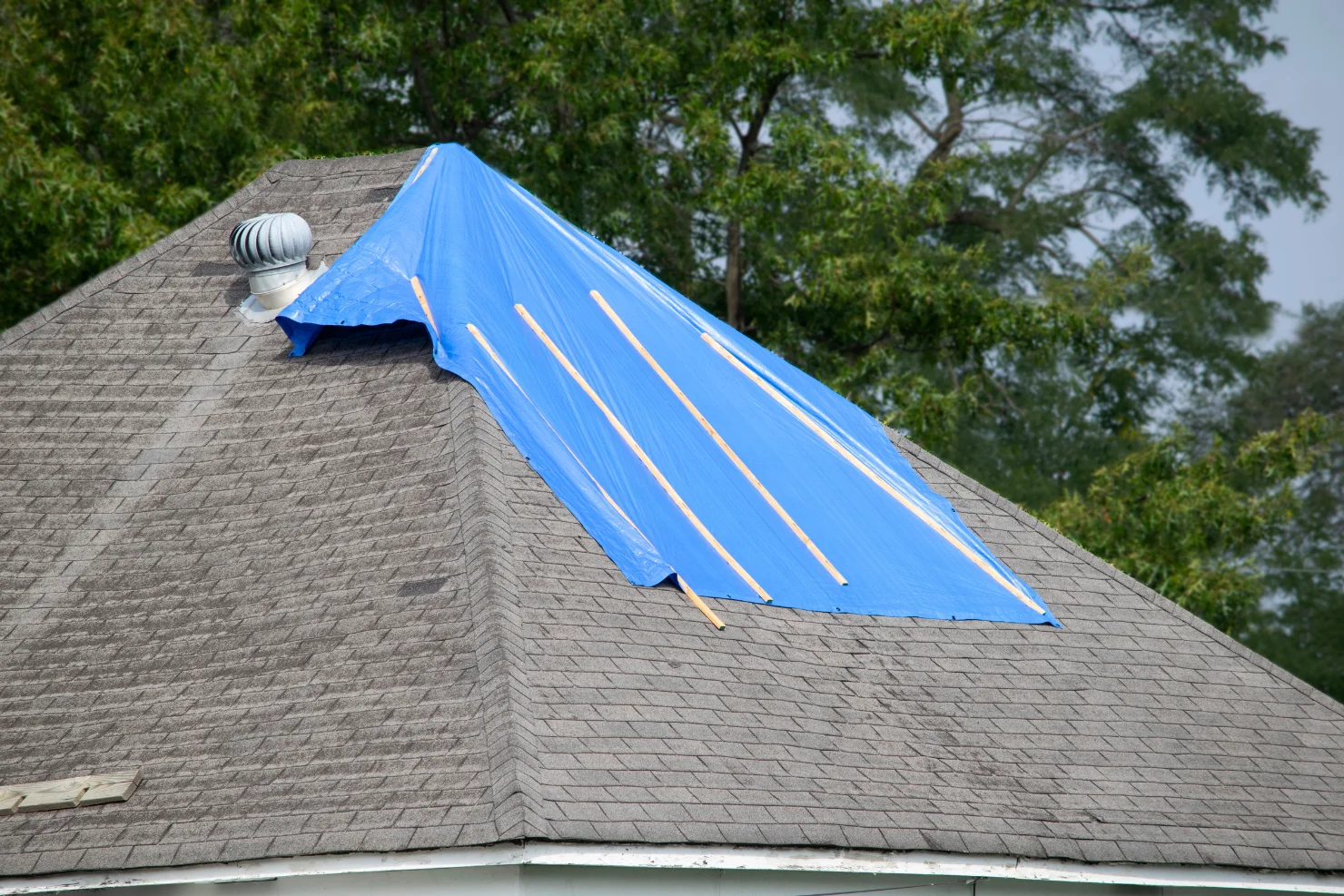
There is no single dependable lifespan for every emergency roof tarp. Its performance depends on the material, installation, roof configuration, sun exposure, and weather conditions.
Ask the roofer about the expected repair schedule and circumstances that require another visit. A tarp that remains secure during light rain may be challenged by stronger winds or falling debris.
Watch for these changes from safe locations:
- New dripping or expanding ceiling stains.
- Tarp edges lifting or flapping.
- Visible tears or displaced attachments.
- Water collecting in a sagging section.
- Additional debris landing on the covered area.
Report these problems promptly. Do not climb onto the roof to tighten attachments or drain collected water.
Pro Tip: Keep dated photos, emergency service invoices, repair estimates, and notes about new leaks in one folder. Ask the roofer what changes should trigger a return visit. Photograph the temporary covering from the ground after installation so you have a clear reference if its position changes.
Documentation Can Support A Storm Damage Insurance Claim
Emergency protection and insurance documentation often happen during the same period. Clear records help explain the original damage, the temporary work performed, and the repairs still needed.
Take photos before temporary repairs when it is safe and practical. Include wide views showing the affected room or roof section, along with closer images of accessible damage. Record when you first noticed the problem and distinguish those observations from assumptions about its cause.
Keep the following records together:
- The date of the storm and discovery of damage.
- Photos of roof damage and affected interior areas.
- Itemized emergency tarping invoices.
- Inspection findings and permanent repair estimates.
- Claim numbers and communications with the insurer.
Maryland insurance guidance recommends retaining emergency repair receipts and making necessary temporary repairs to prevent further damage before the adjuster’s inspection. Follow your insurer’s instructions about documentation and preserving damaged materials where practical.
Reimbursement depends on your policy, deductible, covered cause of loss, and the insurer’s assessment. A roofing contractor can document physical damage and repair requirements; those findings do not guarantee claim approval or a particular payment.
Schedule Permanent Repairs Before More Water Gets In
Temporary coverage gives you time to arrange the work your roof needs. Use that time to obtain a written assessment, understand the repair scope, and confirm scheduling.
Permanent repairs should address more than the visible opening. Depending on the findings, work may include replacing shingles, restoring flashing, repairing decking, and assessing affected interior materials. Ask how the repair will handle attachment points from temporary protection.
Before the project closes, confirm what was repaired and whether any drying or interior restoration remains outstanding. If the roof sheds water again, the insulation may still be damp, or the ceiling may need repair.